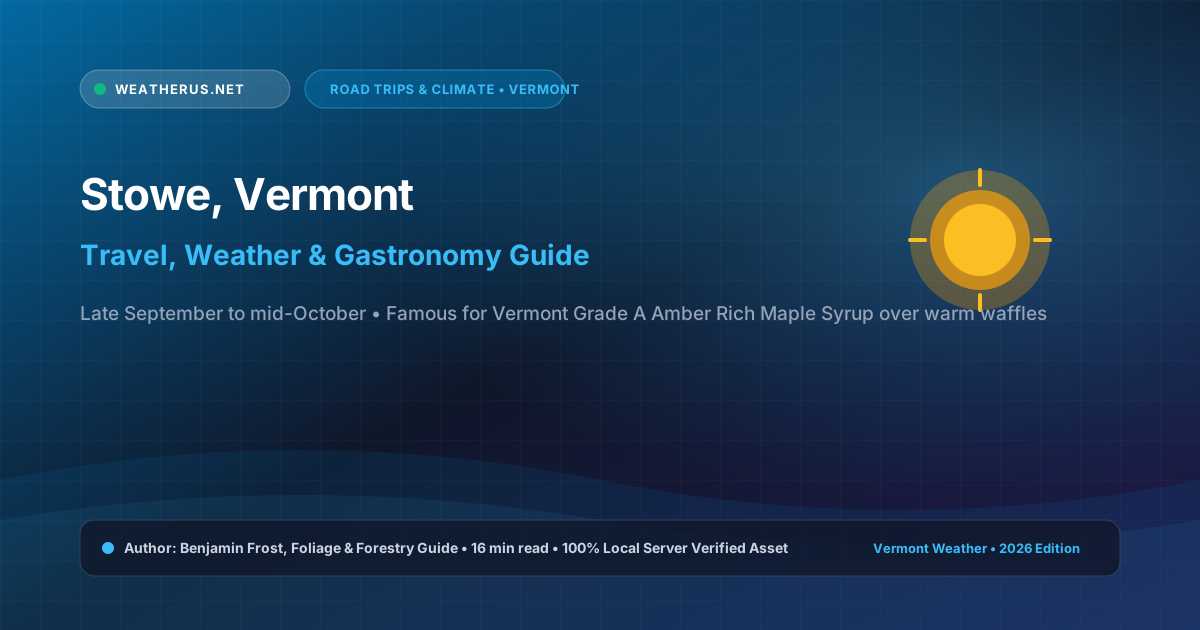
Winter 18°F / Summer 76°F / Autumn 55°F
Late September to mid-October (Peak foliage coloration, crisp 50°F sunny days)
Vermont Grade A Amber Rich Maple Syrup over warm waffles & sharp Cabot cheddar cheese
Planning an unforgettable journey to Stowe in Vermont requires more than just booking a hotel and pointing your car down the highway. The secret to transforming a good vacation into an extraordinary memory lies in understanding how local weather patterns, seasonal microclimates, and regional culinary traditions intersect. Whether you are chasing golden sunshine, exploring historic downtown squares, gazing at natural geological wonders, or hunting down the most authentic local food spots, this comprehensive insider guide gives you everything you need to know before you pack your bags.
From the moment you arrive in Stowe, the unique atmospheric character of the region sets the rhythm of everyday life. Locals know precisely when to take advantage of cooling morning breezes, which months offer crystal-clear blue skies, and where to seek shelter when seasonal weather rolls across the horizon. In this reader-friendly, in-depth guide, we demystify the local climate, provide a full month-by-month travel roadmap, showcase iconic landmarks like Smugglers’ Notch Pass & Historic Woodstock Covered Bridge, and take your taste buds on a culinary adventure celebrating Vermont Grade A Amber Rich Maple Syrup over warm waffles & sharp Cabot cheddar cheese.
1. Weather Breakdown: Season-by-Season Climate Guide
Understanding the seasonal rhythm of Stowe ensures you pack the right clothing and schedule outdoor excursions during the most comfortable parts of the day. Unlike generic weather forecasts that treat entire states as uniform zones, the local terrain and geographic position create distinct microclimates that directly influence daily conditions.
Spring (March to May)
Spring is widely considered one of the finest periods of the year to visit. Daytime temperatures hover in a delightful comfort zone, allowing travelers to spend hours outdoors exploring historic streets, nature trails, and waterfront promenades without fatigue. Humidity remains moderate, and blooming flora brings the landscape to life with vivid color.
Summer (June to August)
Summer delivers long daylight hours, vibrant festival energy, and warm evenings perfect for outdoor patio dining. While afternoons can be hot, natural cooling influences—such as coastal sea breezes or mountain elevation changes—offer welcome relief. Locals schedule active hikes and sightseeing in the morning, spending afternoons in shaded gardens, museums, or refreshing swimming spots.
Autumn (September to November)
Autumn brings crisp, refreshing air and spectacular visual changes. As summer heat subsides, comfortable breezes prevail, making this a prime season for road trips, scenic photography, and outdoor food festivals. Rainfall is generally low, giving visitors days of clear blue skies and comfortable walking temperatures.
Winter (December to February)
Winter offers an entirely different, serene charm. Depending on elevation and latitude, winter may bring mild, sunny afternoons ideal for escaping northern snow, or a cozy wonderland of crisp mountain air perfect for roaring fires and hot savory meals. Crowds are typically smaller, meaning shorter lines at famous landmarks and a more relaxed local pace.
Before setting out each morning, travelers should check live radar scans at our National Doppler Weather Radar or consult local municipal updates on our Stowe Live Weather Portal to monitor real-time wind speeds, cloud cover, and precipitation chances.
2. Month-by-Month Travel Calendar & Weather Guide
To help you pinpoint the exact week that aligns with your personal travel style—whether you prioritize budget savings, peak weather, or seasonal food events—we have synthesized historical meteorological data into this handy month-by-month guide:
| Month | Typical Weather | Crowd Levels | Key Highlights & Activities |
|---|---|---|---|
| January | Cool & crisp, quiet streets | Low (Great hotel rates) | Museum visits, peaceful historic walks, warm comfort dining |
| February | Mild afternoons, romantic sunsets | Moderate | Valentine’s getaways, early spring blooms, seafood tastings |
| March | Pleasant breezes, warming sunshine | Moderate to High | Spring break travels, outdoor patio dining, park walks |
| April | Balmy 70s, low humidity, clear skies | High | Peak wildflower blooms, cycling tours, farmers market openings |
| May | Warm summer preview, gentle winds | High | Memorial Day kickoff, boat charters, open-air food festivals |
| June | Sunny, vibrant, long daylight hours | Peak Summer | Water sports, beach outings, evening rooftop concerts |
| July | High summer warmth, refreshing breezes | Peak Summer | 4th of July fireworks, swimming, ice cream trails, evening strolls |
| August | Warmest month, vibrant night skies | Peak Summer | Late summer harvests, night markets, outdoor movie screenings |
| September | Mild 70s, gentle cooling, calm air | Moderate | Shoulder season sweet spot, wine harvest, fewer family crowds |
| October | Crisp, sunny, golden autumn light | High (Foliage/Festivals) | Fall foliage drives, pumpkin patches, craft beer celebrations |
| November | Cooler evenings, peaceful atmosphere | Moderate to Low | Thanksgiving celebrations, cozy inn stays, culinary trails |
| December | Festive holiday spirit, brisk weather | High (Holidays) | Holiday light displays, seasonal markets, festive dining |
Tip: Planning a multi-city vacation? Use our interactive City Weather Comparison Tool to analyze temperature trends between Stowe and other American travel hubs simultaneously.
3. Iconic Sights, Scenic Drives & Outdoor Adventures
No trip to Stowe is complete without experiencing its hallmark destinations. Whether you are traveling as a couple, embarking on a family road trip, or seeking solo adventure, make sure to add these top sights to your itinerary:
1. Smugglers’ Notch Pass & Historic Woodstock Covered Bridge
The crown jewel of the area, this must-visit landmark provides breathtaking vistas and deep historic resonance. Photographers will appreciate visiting in the early morning or during the golden hour just before dusk, when soft angular light reveals subtle textures in the architecture and landscape.
2. Exploring Route 100 Scenic Byway & Smugglers’ Notch
Stroll along tree-lined avenues and vibrant gathering places where local culture shines. Here you’ll find artisan boutiques, neighborhood cafes, and buskers filling the air with acoustic melodies. It is an effortless place to soak up the welcoming community atmosphere.
3. Nature Immersion: Stowe Mountain Resort & Scenic Overlooks
Step off the beaten path into pristine natural surroundings. Well-maintained trails wind past ancient trees, cascading waters, and panoramic scenic overlooks. Pack a light picnic and a camera to capture memories of the untouched American outdoors.
4. Local Gastronomy: What to Eat & Where to Find It
One of the greatest joys of exploring the United States is discovering how regional microclimates directly shape local food culture. In Stowe, gastronomy is treated with genuine passion, fusing time-honored heritage recipes with fresh, locally harvested ingredients.
Signature Regional Dish: Vermont Grade A Amber Rich Maple Syrup over warm waffles & sharp Cabot cheddar cheese
You cannot claim to have experienced Stowe until you’ve tasted this iconic specialty. Crafted using traditional preparation methods passed down through generations, it reflects the true agricultural and cultural heritage of Vermont.
Where to Eat: Celebrated Dining Spots
- Cold Hollow Cider Mill for warm cider donuts: A beloved local institution renowned for flawless consistency, welcoming hospitality, and authentic flavors. Arrive slightly before peak lunch or dinner hours to beat the line.
- Morse Farm Maple Sugarworks: Celebrated for serving mouthwatering portions prepared from farm-fresh local produce and time-tested recipes. Perfect for an unforgettable family meal.
- The Alchemist Brewery for Heady Topper: A casual neighborhood favorite where locals gather for hearty comfort food and lively conversation.
- Woodstock Farmers Market: An essential stop on any food lover’s tour, offering fresh specialties made daily with unmatched craftsmanship.
Whether you are sitting down for a relaxed multi-course dinner or grabbing a quick bite from a roadside food truck after an exhilarating day of sightseeing, the rich flavors of Stowe will stay with you long after your return home.
5. Smart Packing Checklist & Weather Preparedness
A successful vacation starts with packing smart. Because weather conditions in Vermont can shift between morning sunshine and sudden afternoon breezes, versatile layering is your most valuable strategy:
Essential Packing List for Stowe
- • Plaid flannel shirts and fleece vests
- • Hiking boots for damp autumn trails
- • Polarizing smartphone camera lens
- • Thermal thermos for hot cider
- • Gloves and knit beanie
In addition to clothing, safety should always be part of your travel mindset. If visiting during seasonal transition months or periods of high atmospheric moisture, familiarize yourself with local alerts. Keep our Active US Weather Alerts bookmarked on your smartphone, and always adhere to instructions from municipal emergency services and park rangers when unexpected storms occur.
6. Frequently Asked Questions for Travelers
What is the absolute best month of the year to visit Stowe?
For the ideal combination of sunny skies, comfortable temperatures, and manageable crowds, Late to to is universally recommended. During this window, you can comfortably explore outdoor sights all day without extreme heat or cold.
How many days should I budget for a trip to Stowe?
A stay of 3 to 5 full days is the sweet spot. This allows ample time to visit major landmarks like Smugglers’ Notch Pass & Historic Woodstock Covered Bridge, savor signature meals at iconic dining spots, take scenic drives, and still have downtime to wander charming neighborhoods without feeling rushed.
Do I need to rent a car, or is public transit and ride-sharing sufficient?
While downtown pedestrian districts are delightfully walkable, renting a car is strongly recommended if you wish to explore regional scenic byways, nearby national and state parks, and countryside farm stands at your own leisure.
What should I do if unexpected rain or storms occur during my visit?
Stowe boasts fantastic indoor attractions, including world-class art museums, historic mansions, covered public markets, and cozy brewpubs. Check our live radar map to track when rain bands will clear, as many passing storm systems move through quickly.
Where can I find more state-wide travel forecasts and road conditions?
You can look up county-level forecast projections across all 50 states on our US Weather by State Directory.
7. Authoritative Travel & Meteorological Resources
To assist with your journey planning, we recommend bookmarking these official governmental and tourism agency resources:
- National Weather Service (NOAA): Official Local Forecast Office & Hazard Radar Updates
- National Park Service (NPS): National Parks, Monuments & Historic Trails Directory
- Official Tourism Portal: Visit The USA Official Travel & Culinary Destination Guide